
Basement Flooded? Here’s Exactly What to Do First
Basement flooded? Learn what to do first, how to remove water, and when to call a pro.
By Dale See – President, Rapid Response Restoration Services
Introduction
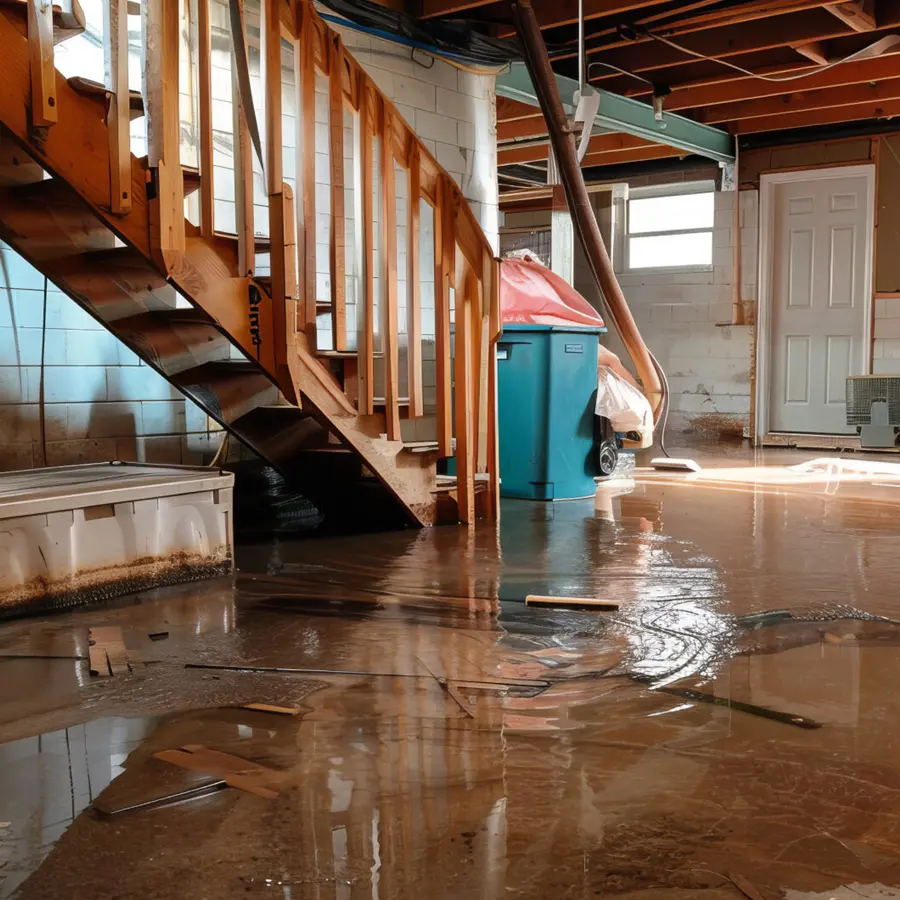
You head down to your basement and—splash—your socks are soaked. The panic hits fast. I’ve been helping families handle basement flooding for decades, and I know this moment can feel overwhelming. The truth is, your actions in the first hour make the biggest difference in how much damage you face.
“I always tell homeowners: the faster you act, the less damage you’ll have to fix—and the less you’ll spend,” says Dale See, President of Rapid Response Restoration Services.
In this guide, I’ll answer the big questions homeowners ask when their basement floods and give you a clear, step-by-step plan.

What Should I Do First If My Basement Is Flooded?
The first thing to think about is safety.
- Turn off the electricity to your basement from the breaker box.
- Put on rubber boots and gloves.
- Avoid stepping into water that might be in contact with electrical outlets or wires.
Next, see if you can stop the water source:
- For a burst pipe, shut off your home’s main water valve (How to Shut Off Water in an Emergency – Red Cross).
- If it’s rainwater, check that your sump pump is running and that drains aren’t blocked.
And before moving anything, take photos and videos for insurance.
“Don’t rush to start cleaning before you’ve documented everything—insurance companies need proof,” Dale advises.
What Are the Most Common Causes of Basement Flooding?
In our area, I see the same problems over and over:
- Heavy rain or melting snow overwhelming drains
- Broken or overwhelmed sump pumps
- Foundation cracks letting groundwater seep in
- Burst or leaking water pipes
- Sewer backups during storms (EPA Guide to Sewer Backups)
If your basement floods from rain, it’s often a sign your drainage system isn’t keeping up—or your sump pump needs maintenance.
How Do I Remove Water from a Flooded Basement?
If it’s safe to enter and the water is clean:
- Use a wet/dry shop vac or portable pump.
- Push water toward a floor drain with a squeegee.
- Open windows if the outside air is less humid than indoors.
If the water is dirty or more than a few inches deep, call a professional.
“When in doubt, let a pro handle it. Flood water can hide harmful bacteria, and I’ve seen homeowners get sick trying to clean it themselves,” warns Dale.
How Can I Dry Out My Basement Fast?
Drying quickly is critical—mold can start in 24–48 hours (CDC Mold After a Flood Guidance).
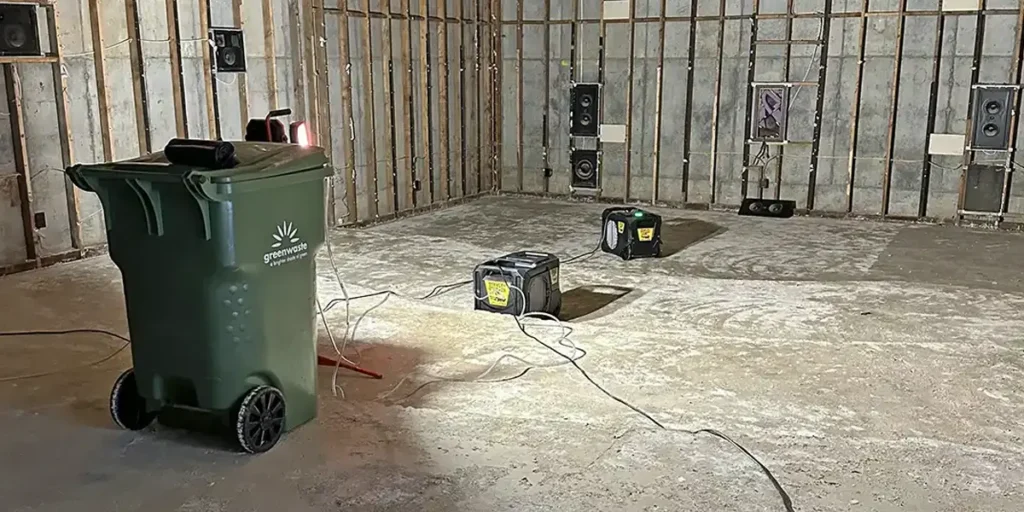
- Run fans and dehumidifiers 24/7 until completely dry.
- Remove wet carpet and padding.
- Move furniture and boxes to a dry, ventilated spot.
If the weather is clear and dry, open windows for airflow.
What Should I Do If My Basement Floods from Rain?
Rainwater floods can sneak in fast, especially during summer storms.
Steps to take:
- Make sure gutters and downspouts are clear so water flows away from your home.
- Check that your sump pump is working—test it before big storms.
- If you don’t have a battery backup for your sump pump, consider adding one.
“I’ve seen basements flood just because a sump pump lost power during a storm. A backup system can save you thousands,” Dale notes.

When Should I Call a Professional for a Flooded Basement?
Call a pro right away if:
- Water is from a sewer line
- Water is more than a few inches deep
- The flood has been sitting for more than a few hours
- You’re unsure about electrical safety
At Rapid Response Restoration Services, we:
- Pump out water fast
- Use commercial drying equipment
- Sanitize to prevent mold
- Work directly with your insurance company
How Can I Prevent My Basement from Flooding Again?
This question is so important, I cover it in detail in a separate blog post: How to Stop Basement Flooding.
But here are a few basics:
- Regularly test and maintain your sump pump
- Seal foundation cracks
- Keep gutters and downspouts clean
- Make sure landscaping slopes away from your home
“Fixing the cause is just as important as cleaning up the mess. Otherwise, you’ll be back in the same spot next storm,” Dale says.
FAQ
Q: How long before mold starts after a flood?
A: Usually within 24–48 hours. That’s why speed matters.
Q: Should I use bleach to clean up?
A: Bleach can kill some surface mold but won’t reach deep inside walls or carpet.
Q: Is flooding covered by insurance?
A: Standard policies often don’t cover flood damage unless you have extra coverage.
Q: Can I stay in my home during cleanup?
A: Most of the time yes, but if water is contaminated, it may be safer to stay elsewhere.
Final Word from Dale See
“If your basement floods, your first goal is to make it safe. Your second goal is to act fast. With the right steps in the first few hours, you can save your home from much bigger problems.”

What Household Appliances Cause the Most Water Leaks and Damage?
April 18, 2025Water leaks can sneak up on homeowners and cause thousands of dollars in damage before they're even noticed. Whether it’s…Water Damage Emergency Tips: What to Do Before Help Arrives
April 18, 2025Water damage can strike at any time—whether from a burst pipe, overflowing appliance, storm, or a leaking roof. When it…How to Fix Water-Damaged Ceiling (Without Making It Worse)
October 14, 2025Learn how to fix a water damaged ceiling with expert advice. Understand costs, DIY steps, and when to call a…